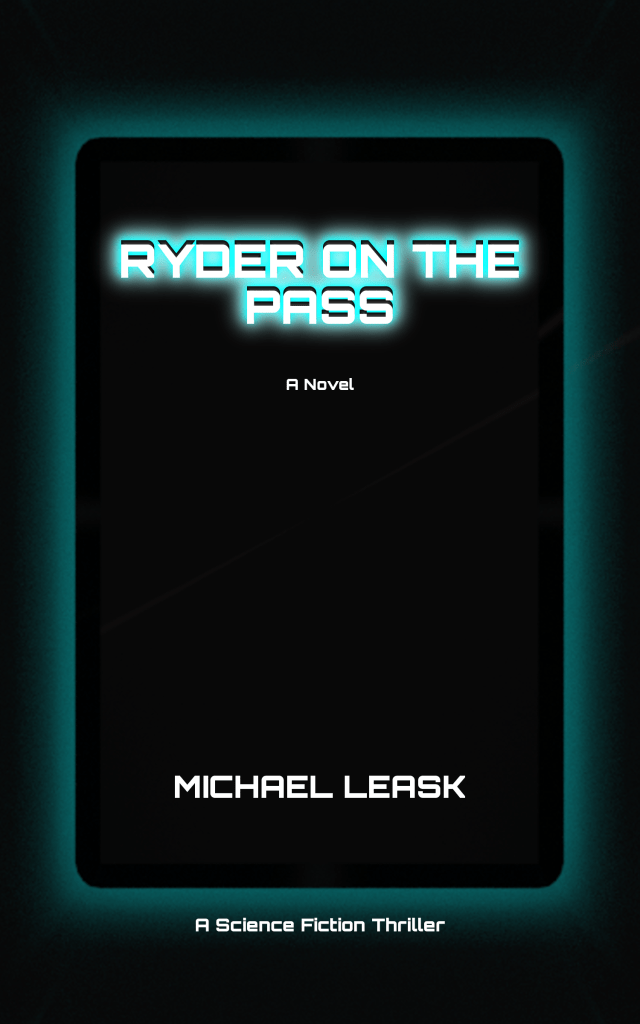
Since the first printing of ROTP and TIT (written by PK Sahota, but I published it, which is why I mention it), I have come to know more about writing, formatting, and expressing narrative. I wrote ROTP before I began my creative writing certificate. Once I gained the appropriate knowledge of writing and publishing, I felt embarrassed by what I produced with ROTP and TIT. Anyone who has those first editions and reads my latest work can attest my writing is night and day. I was arrogant to think I already had the knowledge to write a novel. Ok, I did have the ‘knowledge’, but to communicate a good novel, that was arrogance at the time. ROTP’s story is great, but the execution is not. This is why once I’ve completed the current novel I’m writing, I will re-write ROTP. I want to make it the book I intended, not what was produced. I will also help with TIT in the same way as I could have published that one better.
Why am I writing about my failure? I was unsure if I wanted to express this online and, thereby, the world. I think I’m expressing honesty and commitment, but I also want to tell aspiring and emerging writers my history of producing novels and what not to do.
When I first wrote ROTP, I thought I could write a novel. I can write what he said and what she said and describe my character going to room A, then B, then C. I knew something was needed at the end of the chapter to make the reader want to turn the page, but I didn’t know what I didn’t know. I didn’t realize how POV affects the scene or how all caps for someone screaming is jarring for the reader. I didn’t know not to add more content on dialogue tags as the content in the paragraphs and discussion would fill it in.
I needed to study creative writing and not be headstrong to produce a novel because I thought I could. Patience was not a virtue then. I unreasonably set myself a deadline and needed ROTP to be out by Christmas for that market.
At the time, I felt good about my work. However, this is the advice I would give to a new aspiring or emerging writer. Seek a certificate or degree in creative writing either online or in person. The idea is to gain the knowledge of what is literature, narrative, a novel, etc., and what it means to publish; practice your writing. Most importantly, read! Read all genres and Stephen King’s book On Writing: A Memoir of the Craft. Secondly, read Save the Cat! The Last Book on Screenwriting You’ll Ever Need by Blake Snyder, and contemplate the suggestions in that book and how they could apply to literature. You’ll find the idea of a form of conflict in every scene beneficial. Lastly, continue writing, but think about your narrative and flow when you edit your drafts, and re-edit and re-edit.
The current novel I’m working on has gone through many versions. Each version has improved because I’ve understood more about telling a story, not to pump something out just for a market. My first chapters were over thirty pages of single-space A4 (8.5×11). It is not conducive to reader engagement, setting, or understanding of the inciting incident. Now, it can be a page of solid writing or up to 2-3,000 words for a scene/chapter. A significant improvement!
I find I enjoy writing the chapters more because I took the time to finish my schooling and seek out more writing education, such as Writing for Video Games (believe it or not, this helped a lot in writing novels). Have the patience to fail on your work, but more importantly, seek to understand why your work failed and improve upon it. Everyone has a great story to tell; it’s just how well we want to tell it.


 Michael Leask
Leave a reply to Dsl Cancel reply