
We enjoy cooking, especially together. Moreover, we like the idea of being more self-sufficient. For some of us, it’s easier to imagine than for others, cooking food from scratch at home, such as pasta, bread, and Wellingtons. Most of us are used to letting the grocery store have the solution for our daily meals. Both my wife and I took food courses in high school, but it was more than that; we had an imagination that drove us to want to know more. How do we make… that?
We have investigated taking our own local pasta-making class. It was illuminating how simple the ingredients were, especially when compared to the lengthy list of ingredients on the back of the box. We trialled and errored on many of the foods that we love to eat. My favourite foods are in the Chinese style, and I’m thankful that I can create the style I like with the ingredients I need to use.
We often visit Costco to enjoy the $1.50 hot dog and pop. We chose the Polish-style hot dog as it has extra pepper and spices to make it a unique flavour. But the condiments were always lacked lustre and ‘store bought’ in taste. The buns also had a texture like wet paper. We now make our own buns, and with the purchased pack of Polish dogs, we eat at home instead of at the Costco food court.
However, the idea had been there for some time: making our own mustard, ketchup, or mayo. The more I looked at the ingredients label when I shopped in the store, the more I wondered: Do I really need corn syrup in my ketchup? After graduating from high school, I worked in a food preparation warehouse, where I was responsible for gathering ingredients for spices. There are the obvious, like salt and oregano, but what about xanthium gum? How much thickener should a body be ingesting?
During the COVID lockdown, that was the opportunity to learn how to make our own condiments. During the lockdown, many people around the world baked their own bread; for us, it was making condiments. YouTube was essential, and we made our first batch of ketchup and mayonnaise. With both of those condiments, there are four ingredients. It’s just that simple! By making the condiments at home, we can see precisely what is put into them. Unreal! It was so tasty, we couldn’t believe it. Now, when we are out and having ‘store-bought’ ketchup, the ‘extra’ ingredients are like sawdust on the mouth, and we can taste the extra sugar.

Mustard took longer. It’s finicky making it from seeds rather than powders. I had to figure out the right mix of grinding the seeds in a mortar and pestle, then the spices to make it look and taste like store-bought. It took me a couple of years to get ratios right, but I’ve got it now. The exact process can be used when making Dijon mustard, which I like to add to my mayonnaise to make a great dipping sauce for fish and poultry sandwiches.
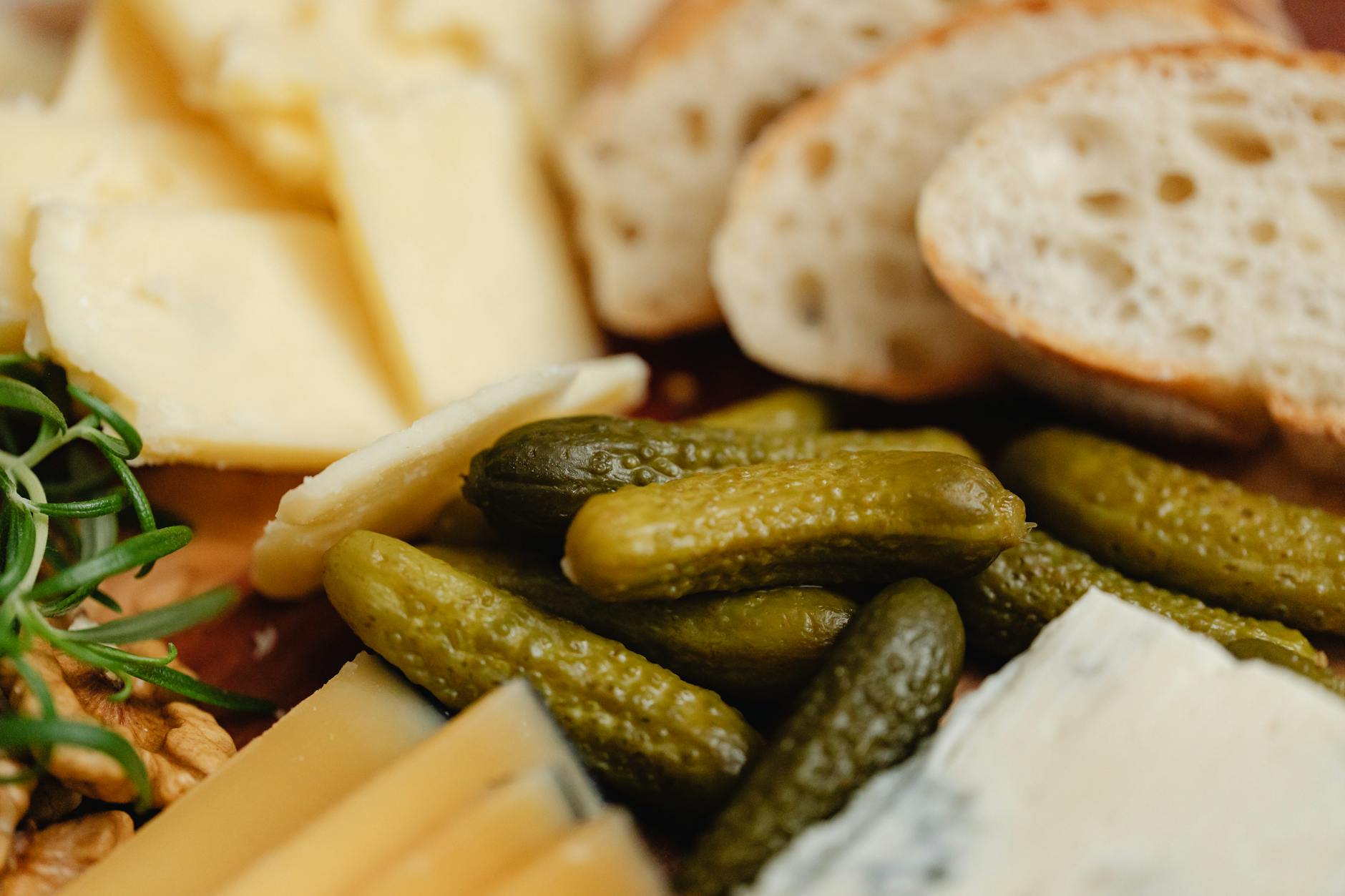
This year, we made pickles and pickled jalapeños. The flavour couldn’t be compared. It was so good and so easy. With the pickles, after pouring the simmering brine over the top of the cucumber, let it sit for one to three days. That’s it. There is no need to can. It didn’t take long, maybe five minutes or so, to measure out the ingredients and time to wait for the brine to simmer. After our first bite, we wondered why don’t more people do this?
As a society, we have become accustomed to not exploring ways to be more self-sufficient at home; instead, we rely on others to make simple products for us. It’s understandable if time and money are an issue. The consequence: pay ‘them’ to do it for us, and generations will forget how to make it. It’s part of consumerism that has warped minds, causing people to empty their piggy banks in favour of getting something too easily, lazily, making us dependent without the ability to be self-reliant.
Does making condiments at home save money? The simple quantified answer is no, but it depends on how it’s being quantified. If condiments are purchased from a dollar store rather than a high-end store, and they meet the household’s needs for a quarter of the year, and each costs a dollar, the cost savings are apparent.
The qualitative price makes the condiment’s value, spent on the ingredients, worthwhile. The flavour profile is spectacular, the ingredients are simple, and they still last for a considerable amount of time in the fridge. Plus, our bodies do not yield to the ingredients that we use; instead, we feel invigorated because we are consuming what should be there,
Store-bought products are mass-produced and can lower prices per unit by using inferior ingredients. In contrast, homemade products can utilize quality ingredients that are fresher — especially if there’s a home garden to grow all the necessary ingredients.
One final argument can be made: making condiments at home brings people together. It’s not corny because we’re a family of two; it’s practical. On a weekend, my wife and I cut the tomatoes, mix the mayo, and grind the mustard. It’s a shared work, and at the end of it, the pleasure or catharsis of our efforts is manifested when we taste what we’ve made. We eat like kings because we’ve learned how our meals are made; often, it’s better than going to a restaurant.
These are the links to the videos I used to make our condiments. I modified them to fit our needs at home, but feel free to use them as a guideline to suit your needs. You’ll notice there is no mustard recipe there. That’s because I modified the Dijon one and found spices from a book. I encourage you to do the same.
YouTube:
Instagram:
 Michael Leask
Leave a comment